About me
From rebuilding a wind tunnel to building Socra.
Hi, I'm Eduarda Ferreira.
I'm the co-founder of Socra, and I run a swarm of AI agents. I’m building a system that helps them learn from our work. I decide what we build, my agents build it, and I write zero code.
I have been a builder for as long as I can remember, and I always wanted to build something great. This is the story of what I built on the way.
It started in college in Brazil. My university had a wind tunnel that did not work. I rebuilt it, and the fluid mechanics course started teaching on it.
I moved to the United States to finish my mechanical engineering degree, and while I studied I worked at Siemens as a mechanical designer on large gas turbines. I taught myself CAD and 3D printing there, and I printed a hands-on gas turbine model for a STEM event, so students could hold the machine I worked on every day.
Process control
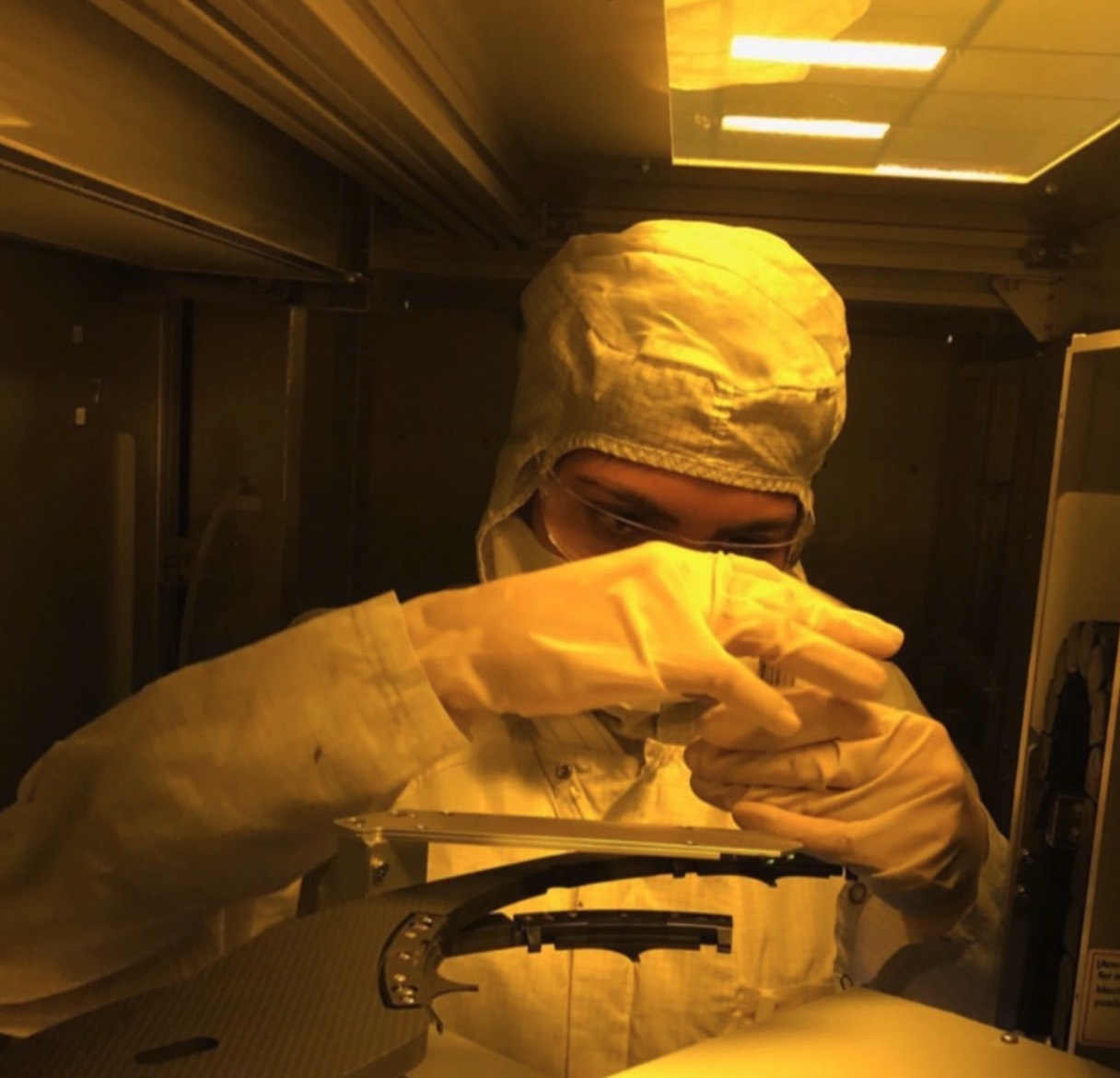
After graduation I did two things at once. I joined Texas Instruments as a photolithography engineer, and I started my own 3D printing company, where I formulated my own binder and powder materials and printed full-color parts for Siemens.
At Texas Instruments I led engineering teams and managed cost and scrap across the whole factory. We made the chips inside your iPhone and your Tesla. No other kind of manufacturing makes so many complex parts to such a high standard. A chip is the size of your fingernail and can be as complex as an airplane.
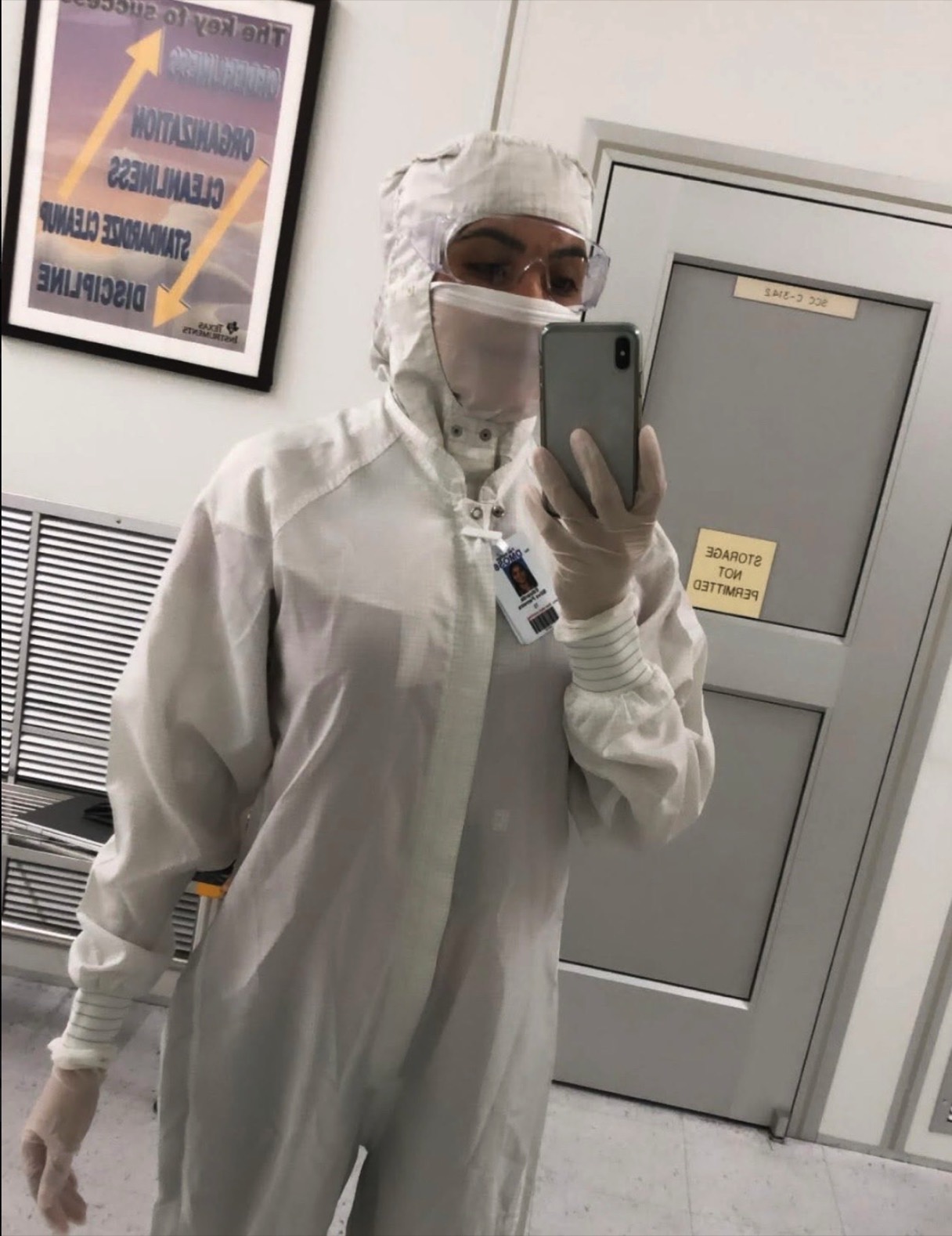
In the cleanroom I wore a full suit. I could not wear makeup or perfume, because one particle can kill a chip. The fab is where I learned process control: measure every run, eliminate the root cause of every defect, and the next run comes out better.
Then a robotics startup hired me to help 3D print homes. I led research programs and print quality, bringing what I had learned in the fab to the printers. That was the job, and it filled my days. I still could not stop building. The printer's nozzle bothered me: corners over-extruded, layers did not bond, and every bead needed trimming. Nobody asked me to fix it. I designed a new nozzle on the side, built it, and it solved all three problems. It earned three patents. I love building things too much to only manage them.
Building Socra
In 2022 I left to start Socra with Mike. He comes from semiconductors too, first at Texas Instruments and then Apple silicon. He had been coding for years, on the job and building his own apps for fun.
We complement each other. Mike owns the backend and I own the frontend. He is the genius behind the tools I use to build and run my swarm. He builds everything API and MCP first, made for agents to call, and screens come last. The screens are mine. I designed machine parts before Socra, and now I design every interface you see across Socra. My design lives in one shared design system, so our products can use the same decisions and components. My agents carry changes into the products that need them.
We shipped our first AI in March 2023: Socrates, an agent built as a finite state machine, so it could control every element of our interface and guide you through your goal step by step. It asked good questions and made jokes. In our first year, 60,000 people signed up, and Journeys grew out of it.
I was never a developer, and I started coding with AI anyway. In 2023 that meant copying code out of a chat window into VS Code and taking Copilot completions line by line. In 2024 coding agents arrived, and they could build whole features. I have not stopped since.
Socra is the machine I always wanted to build. Cortex holds the knowledge my agents need, so they can retrieve our decisions and their reasons before starting a job. My agents preserve what we learn and use it in later work. It is manufacturing discipline, applied to intelligence.
We are the only two humans at Socra. We each run our swarm our own way, with knowledge we share and knowledge we keep separate. Together we have built dozens of products. We build almost everything we use because we like knowing how it works, being able to change it, and having each improvement help with the next thing we build.
Running the swarm
I made eduarda.ai to show you how I run my swarm.
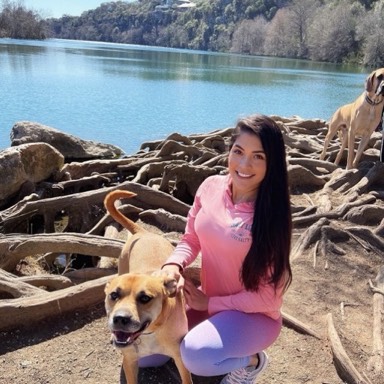
I've been doing this every day for years. My agents keep working while I sleep, work out, go to the sauna, cook, garden, play ping pong, take my dog to parks and trails, and travel to new places, which I love. I set the direction and question the results.
I want to show you how to build software production of your own, and how to keep making it better, so it runs when you step away.
My work is software, but yours does not have to be. Start with something useful you can judge. Your agent can follow the guides on this site; you bring the direction, the access it needs and your judgment about the result.
I will teach you the systems thinking I learned the hard way and how I use it to orchestrate a swarm of AI agents and check whether what we learn makes their next piece of work better.
Tag @eduardadotai on X with feedback or requests. My DMs are open too.
Welcome.
My life outside the swarm
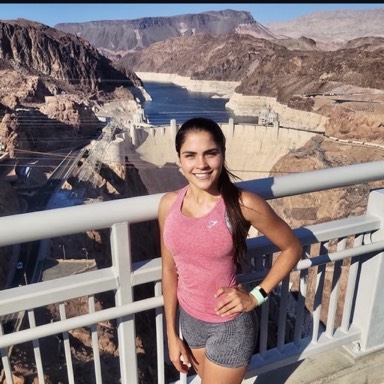
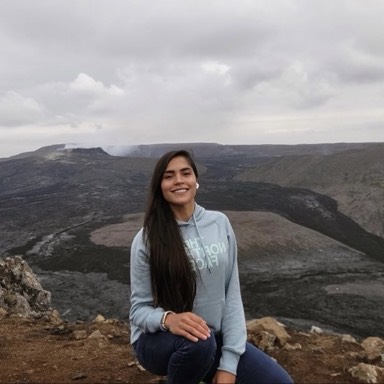
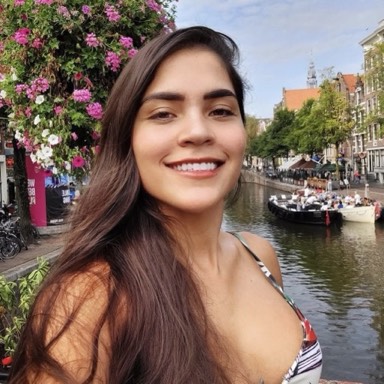
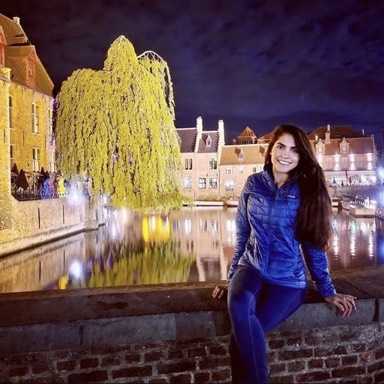
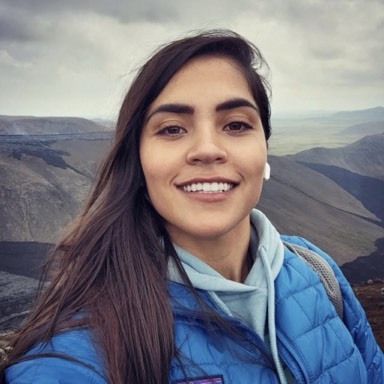
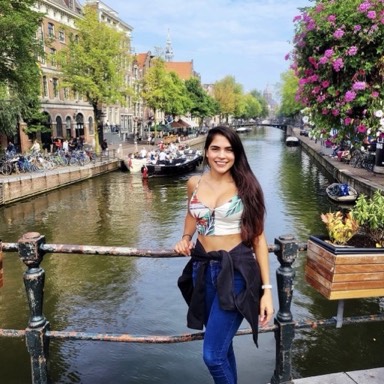
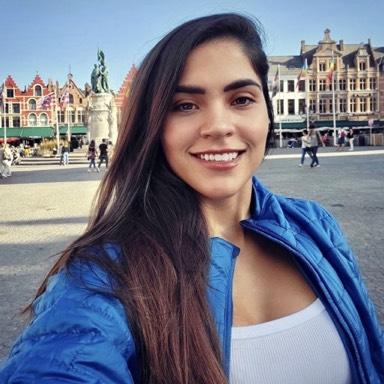
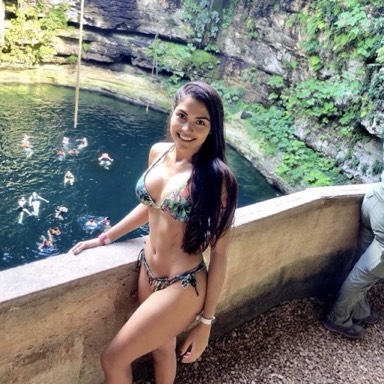
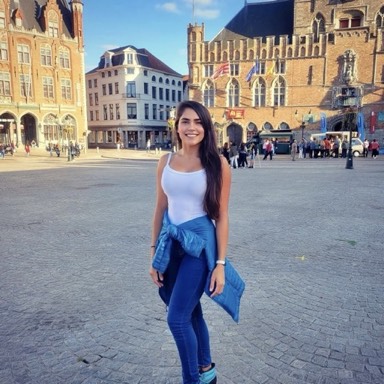
I love exploring new places and hiking. My agents keep working while I am out, and that is the time I use to think. Most of my ideas come from it.